As aging services organizations face growing financial pressures, shifting donor expectations, and demand for expanded yet affordable services, philanthropy has become more critical than ever. To this end, Lisa DeSimone Arthur – leader of WittKieffer's Aging Services, Home Health and Hospice practice – sat down with two leading advancement executives to explore how philanthropy is evolving from a supporting function to a key innovative strategic driver of organizational mission, vision, and growth:
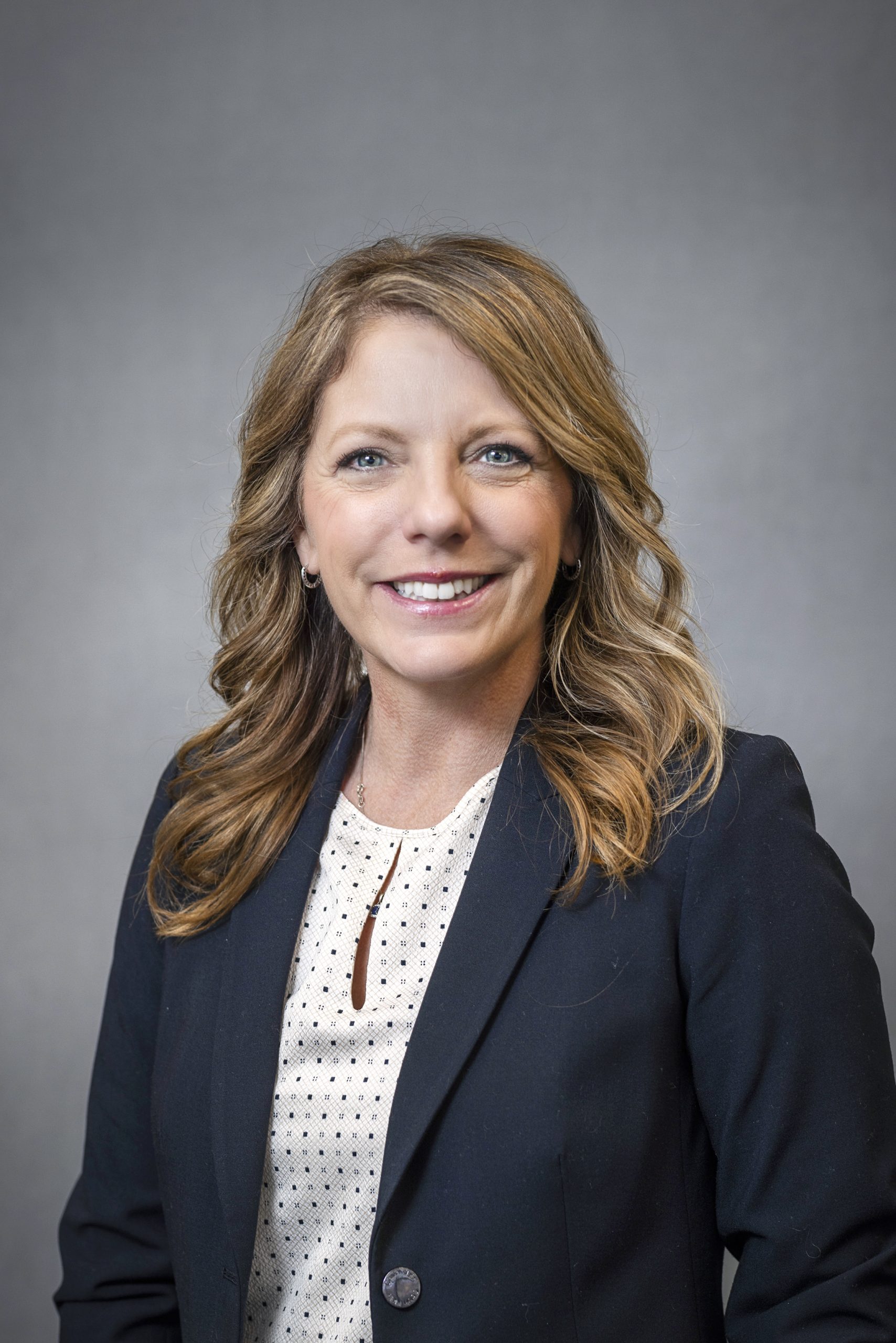
Susan Mayernick is Executive Vice President of the Asbury Foundation, a 501(c)(3) organization that secures philanthropic support to enhance the quality of life for seniors served by the Asbury system of communities, one of the nation’s 20-largest, non-for-profit systems with sites in Maryland, Pennsylvania, and Delaware. In her role for nearly a decade, Susan is currently spearheading the Foundation's "Everyday Exceptional" campaign in conjunction with Asbury's 100th anniversary, with a $60 million system-wide fundraising goal.
At the center of Asbury Communities' mission is benevolent care, ensuring residents continue to receive support even if they outlive their financial resources. Other priorities include capital projects, workforce development, associate scholarships, innovation initiatives, brain health programming, and special community programs. A major strategic focus is growing endowment and planned giving programs to create sustainable funding streams.
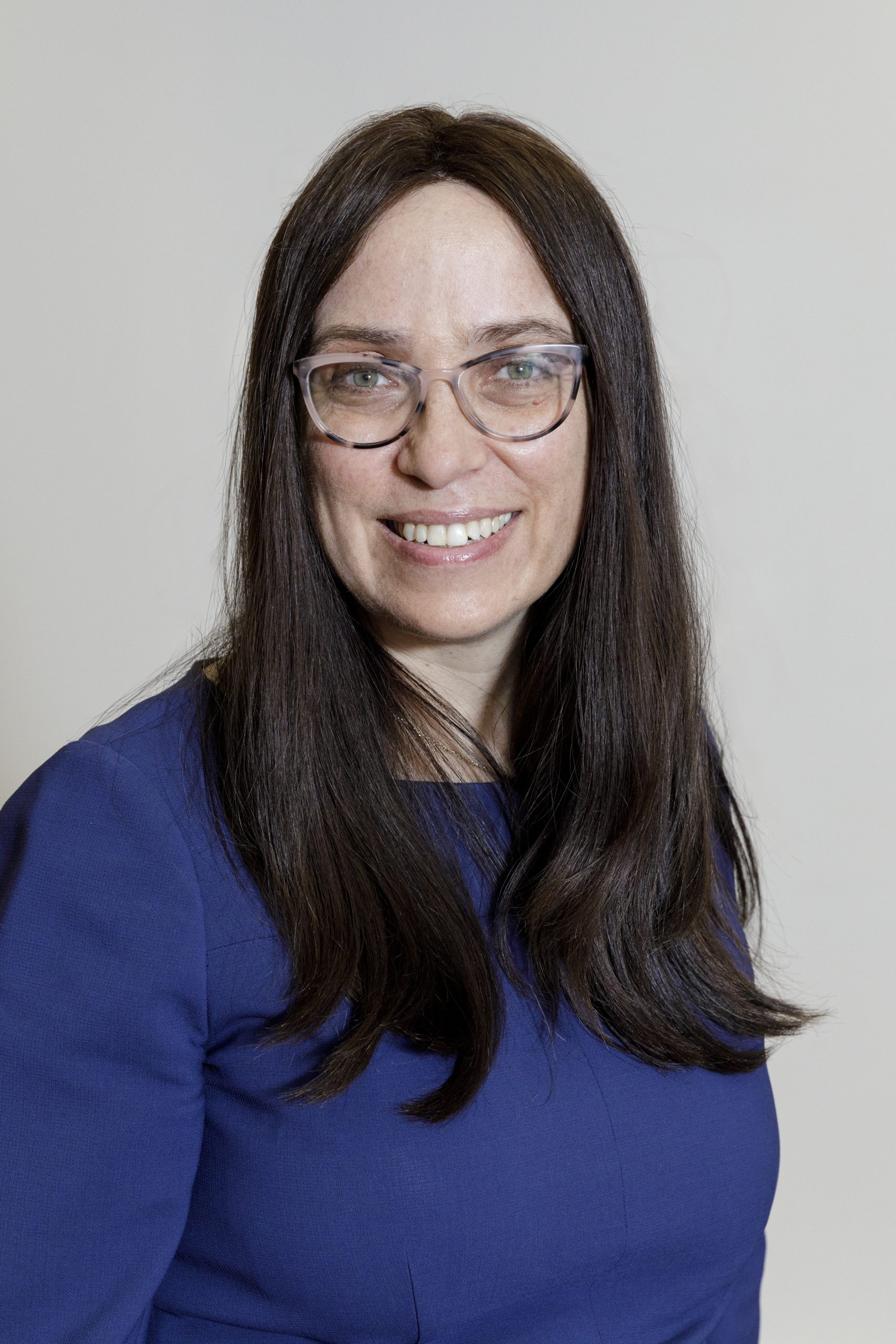
Since 2019, Alyssa Herman has been Chief Development and Marketing Officer for The New Jewish Home, a comprehensive health care system for older, lower-income adults in New York City. Founded in 1848, the organization provides skilled nursing, rehabilitation, adult day health, home care, and workforce development programs. More than 80% of those served rely on Medicaid.
Herman and The New Jewish Home prioritize workforce development as both a mission-driven responsibility and a solution to widespread healthcare staffing shortages. Through partnerships with 12 healthcare systems across New York City, The New Jewish Home operates an $8 million workforce initiative that trains approximately 600 healthcare workers annually.
Listen to the podcast conversations between Lisa, Susan, and Alyssa:
What's New and Innovative in Fundraising in Aging Services?
The wide-ranging discussion between Lisa, Susan, and Alyssa began with insights from both executives on their own leadership journeys and successes in building cultures of philanthropy in their respective organizations. They then explored how to build expanded, longer-horizon fundraising that excites donors while aligning with mission and the long-term strategic needs of an organization.
The following emerged as key themes from the conversation on the present and future state of fundraising in the aging services sector:
Philanthropy is (unquestionably) a strategic driver
Both Susan and Alyssa emphasized that philanthropy is a central rather than supplemental function in their respective organizations. It is a strategic tool that helps innovate, launch new programs, address workforce challenges, and advance long-term sustainability.
“It's important that advancement not sit at the edge of an organization," Alyssa emphasized. "We have to sit at the center and understand programs, finance, operations, public policy, and the experiences of people that we serve.”
Susan explained that the Asbury Foundation, while separate from the Asbury Communities on paper, is in lockstep with it. "We really are following that higher education model" in which the foundation exists to support the namesake institution. "So we're not separate entities," she says. "The Foundation is right in step with our organization.”
Donor expectations continue to rise (and that's not a bad thing)
Today's donors want more for their contributions, both Herman and Mayernick shared – more compelling stories, more transparency, and more proof of impact of gifts to residents, staff, and communities. They've raised the bar, which means the organizations they contribute to must raise their games.
“Donors are much more sophisticated today," Susan observed. "They do their homework, they ask deeper questions, and they want to understand exactly how their gift aligns with the mission and the outcomes we're trying to achieve.”
Such informed, educated donors, Alyssa noted, "expect much more. They want transparency, they want to understand impact, and they want to see how their philanthropy is helping solve a problem or create change.”
Successful fundraising marries donor passions with organizational priorities
Both executives stressed the importance of listening acutely to donors while ensuring gifts support strategic goals rather than tangential ones.
"Donors want to support something they're passionate about," Alyssa said. "Our role is to connect that passion to the organization's mission and priorities in a way that creates meaningful impact." In one instance, The New Jewish Home was able to secure a seven-figure gift by identifying a donor's passion for youth justice and tying the funds to related programs.
Said Susan: "Not only are we following resident passion, but we are aligning with the strategic blueprint."
Workforce development has emerged as a philanthropic priority
Both organizations seek donor funds to address staff recruitment, training, retention, education, and more, even as far as citizenship assistance. In short, addressing labor shortages is part and parcel of operating an aging services organization today.
For The New Jewish Home, workforce training has always been central to mission. “We realized that helping people remain independent and healthy required us to think beyond healthcare and long-term care and address issues like housing, workforce, and community support,” Alyssa recalled. While the primary goal of workforce training is to help develop the next generation of healthcare workers, it has also become a sustainable revenue generator for the organization.
The Asbury Foundation has also witnessed a pressing need to use resources to address employee Asbury Communities' needs and challenges, according to Susan: “How do we attract new talent? How do we retain the talent?" Zeroing in on these questions, she said. “put Asbury in a different light, as we are trying to help find solutions for multiple workforce needs.” One solution was the creation of a Workforce Pathway Fund for residents to directly contribute to workforce-focused initiatives.
Philanthropy is everyone's responsibility, especially the CEO's
Both leaders emphasized that, more than ever, philanthropy cannot be siloed and requires an "all in this together" organizational culture. Residents, frontline staff, executives, board members, and clinical leaders all play a role in storytelling, stewardship, donor engagement, and creating experiences that inspire giving.
The CEO or executive director is the linchpin of these efforts. Said Susan, “The CEO needs to be seen as the philanthropy leader as well," the person who guides organizational strategy and philanthropy's role in it.
“The CEO brings vision, credibility, an enterprise-wide perspective," Alyssa added, noting that The New Jewish Home CEO also sits on boards of other organizations and can "look across the sector.” Even smaller donors, she says, seek access to the CEO and to ensure their funds are meeting critical organizational needs.
Partnerships are part and parcel of fundraising success
Public-private partnerships, grant funding, and corporate collaborations are increasingly important. Philanthropy often provides the initial innovation capital that allows organizations to pilot programs, secure government investment, and expand successful initiatives.
“No single source of funding can provide the entire solution," Alyssa stated. "Philanthropy provides flexible funds and innovation capital . . . once we have the proven concepts, we can go to the government and look for big foundations and government programs to help us scale. We've really braided the funding together.”
Philanthropy has allowed The New Jewish Home "to build this engine," she added. "Private philanthropy has helped us test and fine-tune, and begin to scale, and it's enabled us to leverage the public dollars, which have really enabled us to scale.”
While the lion's share of The Asbury Foundation's core donors are Asbury residents, these same residents appreciate the fact that the organization reaches out to grant partners and public-private partnerships. "The residents love to see that we are, as an organization, seeking out beyond our borders to other organizations that want to support our many different causes," Susan noted.
Aging services fundraising is looking beyond traditional care models, and traditional time horizons
Organizations are using philanthropy to support broader priorities such as aging in place, community wellness, and social determinants of health. Both Herman and Mayernick noted how their fundraising is increasingly tied to quality of life and community impact, not just direct care services. Susan cited how Asbury, for example, provides programming on brain health and education.
Said Alyssa, "We realized that helping people remain independent and healthy required us to think beyond healthcare and long-term care and address issues like housing, workforce, and community support." This requires longer-horizon forms of support. Exemplifying a trend across Aging Services, Alyssa and Susan noted their organizations are looking beyond annual campaigns to longer-range endowments and planned gifts. Asbury, for example, has increased endowments from 7 to 47 in recent years. The goal is making sure Asbury is "sustaining its promises well into the future," said Susan.
Best Practices for Boosting Philanthropic Efforts
In light of the above themes and trends, the following are philanthropy-related recommendations for aging services organizations, informed by the insights of Alyssa Herman and Susan Mayernick:
- Know your organization inside and out. Philanthropy flows from tuning it to the organization's strengths and goals. "Learning empowers you," Susan stated. Know the financials and key statistics of the organization, but "never lose sight of the people behind those numbers," Alyssa emphasized.
- Position philanthropy as a strategic function, not a fundraising function. This subtle mindset shift allows philanthropy to stay integral to everything an organization does.
- Think transformation over transaction. With heightened donor expectations and savviness, philanthropy leaders must shun purely transactional giving and embrace impact-focused philanthropy based on measurable outcomes and accountability.
- Leverage the CEO as fundraiser-in-chief. The organization's top executive must drive fundraising efforts. For advancement leaders, noted Alyssa, this means “thinking about how to use the CEO's time thoughtfully," including establishing a clear purpose and follow-up plan for each engagement between the CEO and a donor.
- Tap into donor passions. Understanding what truly gets individuals excited is the surest way to secure their gifts over the long term.
- Lean further into relationships. Fundraising is still predicated upon relationship-building – with donors, certainly, but also with residents and families, like-minded community organizations, government entities, and so forth. Sustainability for aging services organizations lies in forging long-lasting bonds with a variety of parties and stakeholders.
I wish to thank Alyssa Herman and Susan Mayernick for sharing their time, passion, and insights with me. Their wisdom can be a tremendous benefit to philanthropy leaders in aging services to meaningfully improve the success and impact of fundraising efforts.